

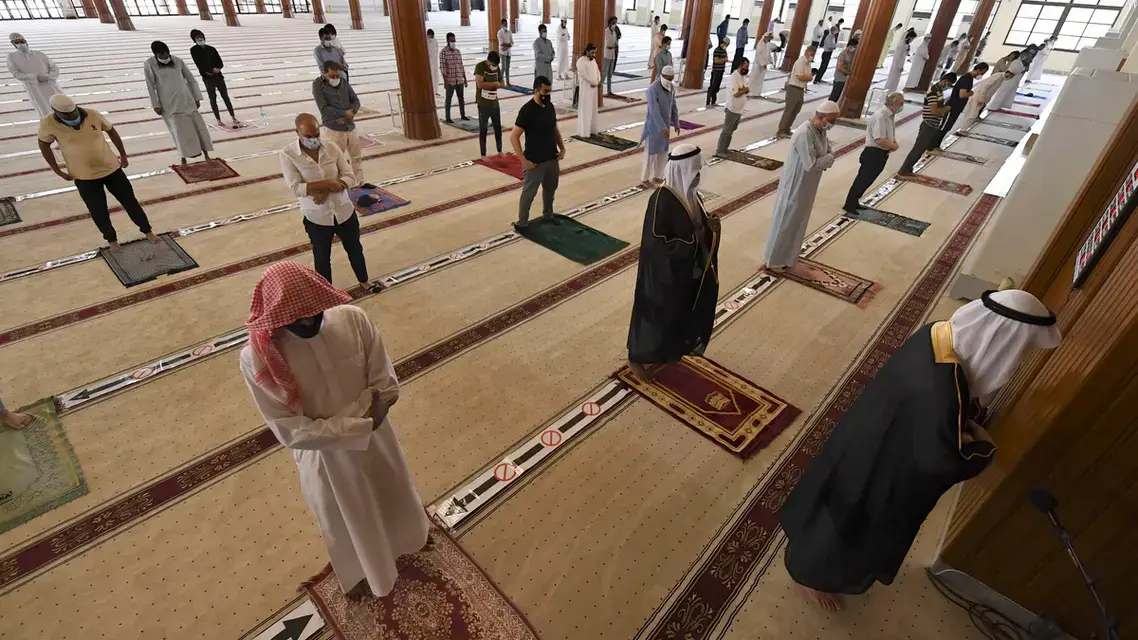
Dubai Prayer Times are essential for anyone living in, working in, or visiting the UAE, and UAE Explorer presents this complete, easy-to-understand guide to help Muslims plan their day around their five daily prayers. Dubai is a city that never stops, but its rhythm slows down gently five times a day when Muslims pause for Salah. Whether you’re a resident, a tourist, or simply learning about Islamic practices in the UAE, this detailed guide explains everything you need—from daily Dubai prayer timings to mosque etiquette, Islamic holidays, and the spiritual importance of Salah.
In the following sections, you’ll find an expanded and improved version of your original content with added headings, deeper explanations, and natural, human-friendly writing that follows Google’s Helpful Content guidelines.
Introduction to Prayer Times in Dubai
Dubai is known for its futuristic architecture, cultural diversity, and vibrant lifestyle, but at its core lies a deep connection to Islamic traditions. One of the most important aspects of Muslim life is Salah, the mandatory prayers offered five times a day. Muslims in Dubai schedule work, meals, and even social gatherings around prayer times, making accurate Dubai prayer timings essential for everyday life.
Prayer times change daily because they are determined by the sun’s position. This makes it important to rely on a reliable, regularly updated source such as UAE Explorer for today’s Dubai Prayer Times. Whether you’re heading to work, planning a trip to a mosque, or simply want to remain spiritually aligned during your visit, this guide will help you stay informed.
Why Knowing Dubai Prayer Times Matters
Dubai is home to millions of Muslims, from UAE nationals to expatriates who form a major part of the city’s population. Accurate prayer timings help ensure that Muslims:
-
Offer every Salah on time
-
Organize their daily schedule around spiritual commitments
-
Travel confidently while staying connected to faith traditions
-
Attend Friday prayers (Jumu’ah) at the mosque
-
Observe Ramadan and other Islamic months accurately
For tourists, knowing the prayer times also helps them plan visits to mosques, cultural sites, or schedule their activities accordingly—especially during Ramadan, when business hours and public routines often shift.
Today’s Dubai Prayer Times (Example Reference Date)
Below is an example set of timings based on the provided date. These change daily.
| Prayer | Time |
|---|---|
| Fajr | 5:09 am |
| Sunrise | 6:24 am |
| Dhuhr | 12:05 pm |
| Asr | 3:15 pm |
| Maghrib | 5:40 pm |
| Isha | 6:56 pm |
Accurate Dubai prayer times are published daily by UAE Explorer and also appear in leading UAE newspapers such as Khaleej Times and Gulf News.
How Prayer Times in Dubai Are Calculated
Prayer timings depend on the movement of the sun, not on the clock. This is why timings shift slightly every day, across every month of the year. Advanced astronomical calculations are used to determine exact timings for:
-
Dawn (Fajr) when the sky first begins to lighten
-
Midday (Dhuhr) when the sun is at its highest point
-
Late afternoon (Asr) when the shadow length changes
-
Sunset (Maghrib) when the sun disappears below the horizon
-
Night (Isha) when the evening darkness sets in
Dubai follows the Umm Al-Qura calculation method, similar to Saudi Arabia, ensuring accuracy and consistency across the UAE.
Understanding the Five Daily Prayers (Salah)
Salah is the second pillar of Islam and must be offered five times a day. Each prayer has a unique meaning and spiritual significance:
1. Fajr – The Dawn Prayer
Fajr begins at the first light of dawn. It symbolizes new beginnings, clarity, and spiritual awakening. Many Muslims believe Fajr brings blessings throughout the day.
2. Dhuhr – The Midday Prayer
Offered after the sun passes its zenith, Dhuhr gives Muslims a moment of calm in the middle of their busy routines.
3. Asr – The Afternoon Prayer
Asr is performed later in the afternoon. It reflects endurance, patience, and gratitude.
4. Maghrib – Just After Sunset
This prayer begins immediately after sunset, marking the end of the day and the transition into evening.
5. Isha – The Night Prayer
The final prayer of the day, Isha, promotes tranquility and closure after a day of worship and effort.
The Five Pillars of Islam and Their Importance
While Salah is central to Muslim life, it is one of the Five Pillars of Islam, the foundation of Muslim beliefs and practices:
-
Shahadah – Declaration of faith
-
Salah – Performing the five daily prayers
-
Zakat – Giving charity to help the needy
-
Sawm – Fasting during Ramadan
-
Hajj – Pilgrimage to Makkah at least once, if able
Each pillar complements the others, contributing to a balanced, spiritually fulfilling life.
Mosques in Dubai – A Spiritual and Cultural Experience
Dubai has more than a thousand mosques, ranging from small community prayer halls to architecturally stunning landmarks. The city’s mosques play a crucial role not only in religious life but also as cultural and social hubs.
Popular mosques include:
-
Jumeirah Mosque – Opens doors to non-Muslims for guided tours
-
Al Farooq Omar Bin Al Khattab Mosque – Inspired by Istanbul’s Blue Mosque
-
Abdul Rahman Siddique Mosque (Palm Jumeirah) – Modern architecture
-
Al Rahim Mosque (Dubai Marina) – Beautiful waterfront setting
-
City Walk Mosque – Contemporary and accessible
-
DIFC Grand Mosque – Iconic structure within Dubai’s business district
Each mosque has its own personality, history, and community, offering a beautiful glimpse into Dubai’s spiritual culture.
Friday Prayer (Jumu’ah) in Dubai
Friday holds special significance in Islam, as Muslims gather for the weekly congregational prayer known as Jumu’ah.
Key points about Friday prayers in Dubai:
-
Jumu’ah replaces Dhuhr on Fridays
-
Standard time is 1:15 pm, year-round
-
Most workplaces adjust schedules to allow attendance
-
Malls and public areas may temporarily quiet down during the prayer
Since 2022, Dubai follows a Saturday–Sunday weekend, with a half-day for government employees on Fridays.
Azan – The Call to Prayer
The Azan (Adhan) is the spiritual call inviting Muslims to prayer. Traditionally recited from a minaret by a muezzin, today most mosques use speakers for clarity and reach.
Hearing the Azan in Dubai—echoing across neighborhoods, markets, and streets—is a powerful reminder of the city’s Islamic identity amidst its modern landscape.
Wudu – Ritual Purification Before Prayer
Performing wudu (ablution) is required before Salah. It involves washing:
-
Hands
-
Mouth
-
Nose
-
Face
-
Arms
-
Head (wiping)
-
Ears
-
Feet
This physical and spiritual cleansing prepares the mind and body for prayer.
Qibla – Direction of Prayer
Muslims around the world face the Kaaba in Makkah when praying. In Dubai, most mosques have arrow indicators pointing toward the Qibla, and hotels often present Qibla direction markers for guests.
Mobile apps and compasses also make finding the Qibla easy anywhere in the city.
Where to Pray in Dubai
Dubai offers prayer facilities in:
-
All major malls
-
Airports
-
Metro stations
-
Beaches
-
Hotels
-
Parks
-
Public buildings
This ensures no matter where a Muslim is, they can comfortably fulfill their religious obligation.
Islamic Holidays in Dubai
Islamic holidays follow the Hijri (lunar) calendar, so dates shift every year. Major holidays include:
| Islamic Holiday | Hijri Date | Description |
|---|---|---|
| Eid al-Fitr | 1 Shawwal | Celebrates the end of Ramadan |
| Arafah Day | 9 Dhu al-Hijjah | Day before Eid al-Adha |
| Eid al-Adha | 10 Dhu al-Hijjah | Festival of Sacrifice |
| Islamic New Year | 1 Muharram | Start of Hijri calendar |
| Mawlid al-Nabi | 12 Rabi’ al-Awwal | Birth of Prophet Muhammad (PBUH) |
These holidays bring public celebrations, mosque activities, and moments of community bonding throughout Dubai.
Quranic Park – A Unique Islamic Attraction
Dubai’s Quranic Park is a blend of education, recreation, and spirituality. It includes:
-
The Glass House
-
The Cave of Miracles
-
Botanical gardens featuring plants mentioned in the Quran
-
Walking and family-friendly recreational areas
The park offers a peaceful environment for Muslims and non-Muslims to learn about Islamic culture and scripture in an interactive way.
Prayer Etiquette for Non-Muslims in Dubai
Dubai encourages cultural harmony, and non-Muslims can visit certain mosques. If you plan to visit:
-
Dress modestly (women should cover hair, arms, legs)
-
Remove shoes before entering
-
Maintain silence
-
Avoid entering prayer rows during Salah
-
Ask permission before photographing any area
Respect is always appreciated and creates a welcoming atmosphere for all.
Tips to Stay Updated on Dubai Prayer Times
To avoid missing Salah, you can:
-
Bookmark UAE Explorer’s daily updated prayer times
-
Install a prayer-time mobile app
-
Activate Azan notifications
-
Follow local mosque announcements
-
Save your local prayer schedule when traveling within Dubai
With accurate sources, staying consistent in your spiritual routine becomes easy.
Conclusion
Dubai Prayer Times are a vital part of daily life in the UAE, shaping routines, enriching spiritual connection, and supporting community harmony. Whether you’re a resident or a visitor, knowing the correct timings helps you stay aligned with Islamic values and enjoy a smoother, more organized day in one of the world’s most dynamic cities. Dubai’s mosques, cultural institutions, and prayer-friendly public spaces make it incredibly easy to practice faith with comfort and devotion.
Top 10 FAQs About Dubai Prayer Times
1. How are Dubai Prayer Times calculated?
They’re based on the sun’s position using astronomical calculations aligned with the Umm Al-Qura method.
2. Do prayer times change daily in Dubai?
Yes, timings shift slightly every day due to the sun’s changing position.
3. Is Jumu’ah prayer time always at 1:15 pm?
Yes, Friday prayer across Dubai is consistently offered at 1:15 pm.
4. Where can I check today’s Dubai Prayer Times?
UAE Explorer provides accurate, daily updated Salah timings.
5. Can non-Muslims visit mosques in Dubai?
Yes, select mosques like Jumeirah Mosque offer guided tours.
6. Are prayer rooms available in shopping malls?
Every major mall and public facility in Dubai includes prayer rooms.
7. Can Muslims pray anywhere in Dubai?
Yes, prayers may be performed in any clean, quiet place.
8. What direction is the Qibla in Dubai?
Toward the Kaaba in Makkah; most places have clear indicators.
9. Does Dubai broadcast the Azan?
Yes, mosques broadcast the call to prayer throughout the city.
10. Are Islamic holidays fixed in Dubai?
They follow the Hijri lunar calendar, so dates change each year.